Introduction
Installing a brand-new fence is an investment that improves both the aesthetic and practical elements of your home. Whether you've chosen Timber Paling Fences, Colorbond Fences, and even something more contemporary like Aluminium Slat Fences, preserving it properly is essential for longevity and appearance. In this extensive guide, we'll look into how to preserve your new fence with specialist insights from leading Fence Specialists Melbourne
How to Maintain Your New Fence: Tips from Top Melbourne Contractors
Maintaining your new fence is necessary, not simply for its appearance but also for its structural stability. The best maintenance can prevent costly repairs down the line. Here's a comprehensive breakdown of effective strategies on how to keep your fence in prime condition.
1. Understanding Different Kinds Of Fencing
1.1 Timber Fading Fences
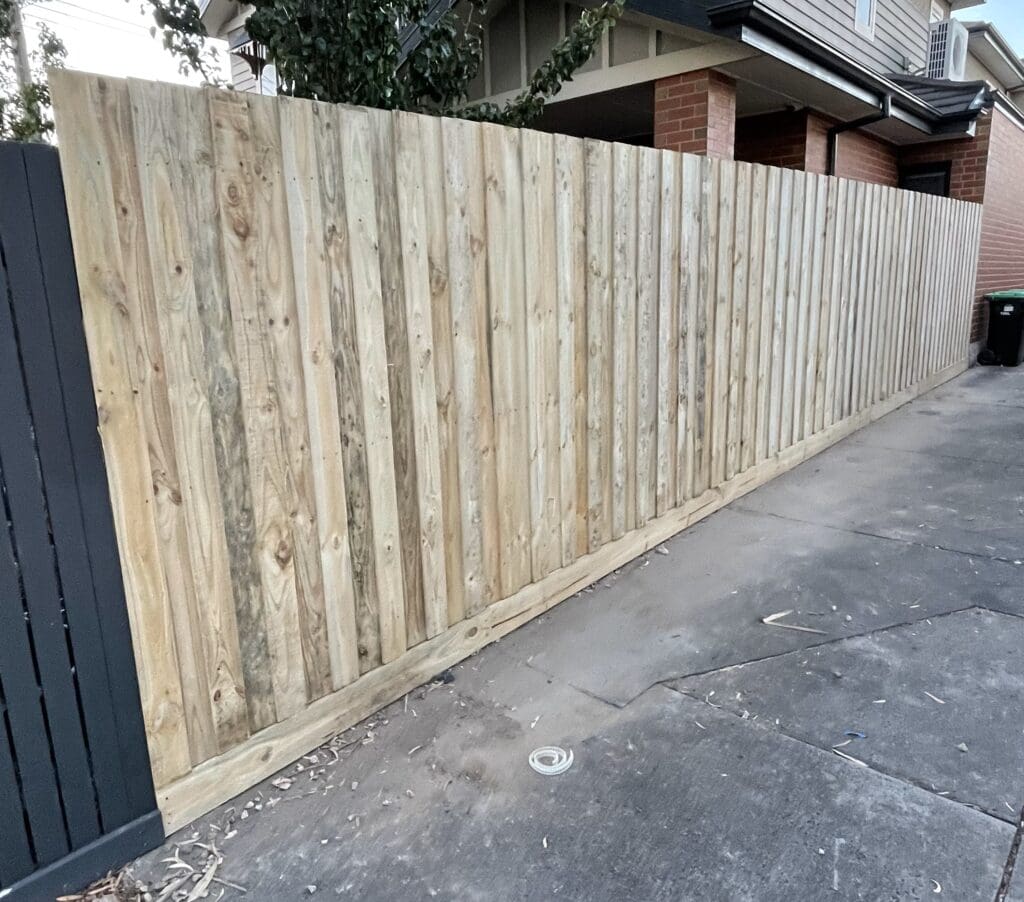
Timber fences are a popular choice due to their natural look and versatility. However, they do need regular maintenance.
- Pros: Aesthetic appeal, customizability. Cons: Susceptible to rot and pests if not maintained.
1.2 Colorbond Fences
Colorbond fencing is made from pre-painted steel, making it long lasting and low-maintenance.
- Pros: Lasting, simple to clean. Cons: Restricted design flexibility compared to timber.
1.3 Aluminium Blade Fences
These https://parapetfencing.com.au/contact-us/ fences are light-weight yet durable, offering a contemporary look.
- Pros: Rust-resistant, modern design. Cons: Can be pricier than other options.
1.4 Tubular Metal Fences
Ideal for security without compromising style.
- Pros: Strong and secure. Cons: Can need painting over time.
2. Routine Cleansing: A Basic Step
Cleaning your fence frequently helps eliminate dirt, mold, and mildew that can lead to deterioration.
2.1 How Typically Must You Clean?
Aim for at least as soon as a year; however, if you live in an area with heavy rainfall or humidity, think about cleaning bi-annually.
2.2 Advised Cleaning up Methods
Use a pressure washer or a soft cloth with soapy water depending on the product:
- For wood fences: Use gentle soap; avoid severe chemicals. For metal fences: A simple rinse usually is adequate; check for rust spots.
3. Inspecting for Damage
Regular assessments help identify small concerns before they intensify into substantial problems.

3.1 What Must You Look For?
Look for indications of wear such as:
- Rot in wood posts. Rust on metal panels. Loose screws or fittings.
4. Dealing With Wood Fences
Wooden fences require extra care due to their vulnerability to wetness and insects.

4.1 Preservatives and Treatments
Apply wood preservatives every couple of years to secure versus rot and pest infestation.
Table: Recommended Wood Treatments
|Treatment Type|Frequency|Benefits|| ---------------------|------------------|-----------------------------------|| Oil-based Stains|Every 2 years|Waterproof|| Sealants|Every 3 years|Secures against UV rays|| Insect Control Sprays|As required|Avoids termite damage|
5. Fixing Minor Damages Promptly
Address small damages as soon as possible to prevent larger problems later on on.
5.1 Typical Repair work Needed
Common repairs consist of:
- Replacing damaged boards on wood fences. Touching up paint on metal fences.
6. Weather Condition Defense Strategies
Weather can considerably impact the durability of your fence materials-- here's how you can reduce damage:
6.1 Shielding Versus Sun Exposure
Consider using UV protectant sprays specifically designed for fencing materials to shield against sun damage.
6.2 Erosion Control with Maintaining Walls
If your home has slopes, retaining walls can assist avoid disintegration that might expose the base of your fence over time.
7. Fence Painting Techniques
Painting not only revitalizes the appearance but likewise adds a protective layer against weather elements.
7.1 Selecting the Right Paint Type
Select high-quality outside paint ideal for your particular fence product:
- For lumber: Use water-resistant paints. For metal: Opt for rust-inhibiting formulations.
8. Thinking About Automatic Gates
If you're installing automatic gates along with your fencing system, appropriate upkeep is key!
8.1 Routine Look at Gate Functionality
Ensure that all moving parts are oiled regularly and inspect electrical connections if applicable-- this avoids breakdown when you require it most!
FAQs
Q1: How typically should I inspect my fence?
A: It's a good idea to examine your fence a minimum of twice a year or after serious weather condition events.
Q2: What's the best method to clean my Colorbond fence?
A: A gentle wash with soapy water followed by rinsing with tidy water works wonders!
Q3: Do I require permits for significant repairs?
A: Yes, it's finest practice to examine regional guidelines regarding any substantial modifications to fencing structures.
Q4: Exist any pests that frequently impact wooden fences?
A: Yes! Termites and carpenter ants are notorious for harmful timber structures-- routine treatments can help mitigate this risk!
Q5: Can I utilize bleach on my wooden fence?
A: Avoid bleach as it can strip away natural oils in the wood-- stick with moderate soap options instead!
Q6: How do I understand when it's time to change my fence?
A: If more than 30% of your fence reveals indications of damage (rot, rust), it's most likely time for replacement instead of repair.
Conclusion
Maintaining your brand-new fence does not need to be daunting! With regular attention and care customized particularly for your type of fencing-- whether it's installed by leading Fence Specialists Melbourne or DIY-- you can guarantee it stays an appealing property while serving its function efficiently over many years to come!
In summary, whether you're handling Timber Fading Fences, Colorbond, and even Glass Fences, following these ideas from top Melbourne professionals will set you up for success in keeping your financial investment looking great and working well! Don't think twice-- begin taking care of that lovely new structure today!